


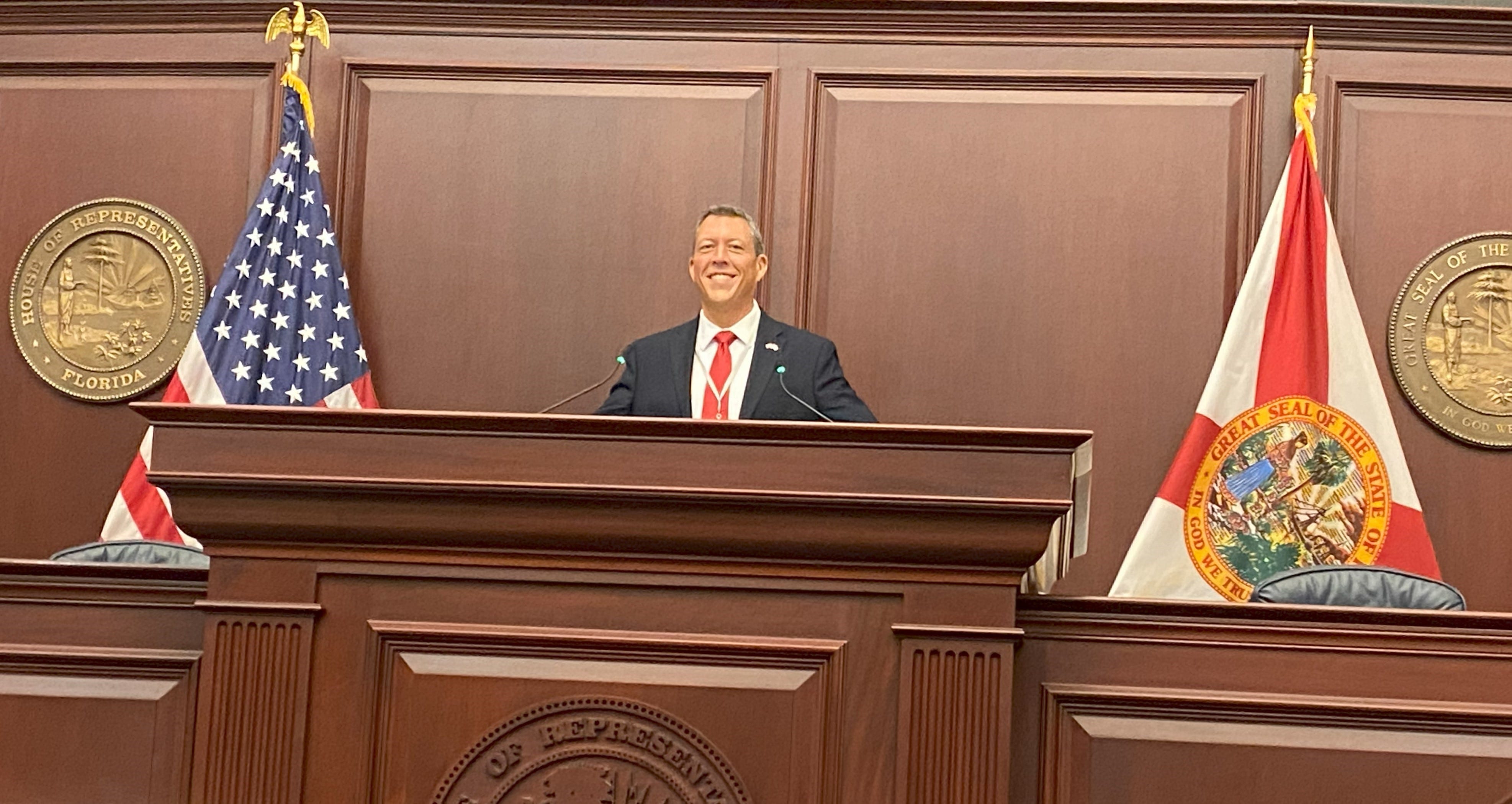
The 2025 Florida State Legislative session was interesting to say the least. It was one of infighting, massively-extended budget talks, and questionable (understatement) bills.
It was also a session that tipped off what’s to come in 2026.
In 2026, we are guaranteed to see bills and proposals targeting local property taxes. The House Select Committee on Property Taxes has already been meeting.
In 2026, we are going to see more bills pertaining to affordable housing. The first bill, Senate Bill 48, has already been filed by Senator Gaetz. We can also expect another annual glitch fix bill for the Live Local Act.
In 2026, we are most likely going to see a continuation of the destructive trend toward preempting local development rights as we all continue fighting last session’s burdensome Senate Bill 180. These bills continue to chip away at local growth management while expanding the efforts to remove home rule from local government.
The 2026 House and Senate sessions kick off with six upcoming committee weeks. These are the weeks where we will all start seeing many of the bills, proposals, and ideas for the first time.
Those weeks are:
Oct 6-10 | Oct 13-17 | Nov 3-7 | Nov 17-21 | Dec 1-5 | Dec 8-12
The 60 day regular session kicks off January 13, 2026 and (presumably) ends on March 13.
Trying to pinpoint exactly what bills will be filed or what policies will be proposed is difficult at this stage. However, we have an idea of broad, general topics.
I want to use these next couple of months, during committee weeks, to lay out my thoughts on some of these broad, general topics. They won’t be tied to a policy per se, but just my opinions about topics that I personally consider when assessing various bills and proposals that will inevitably arise each year.
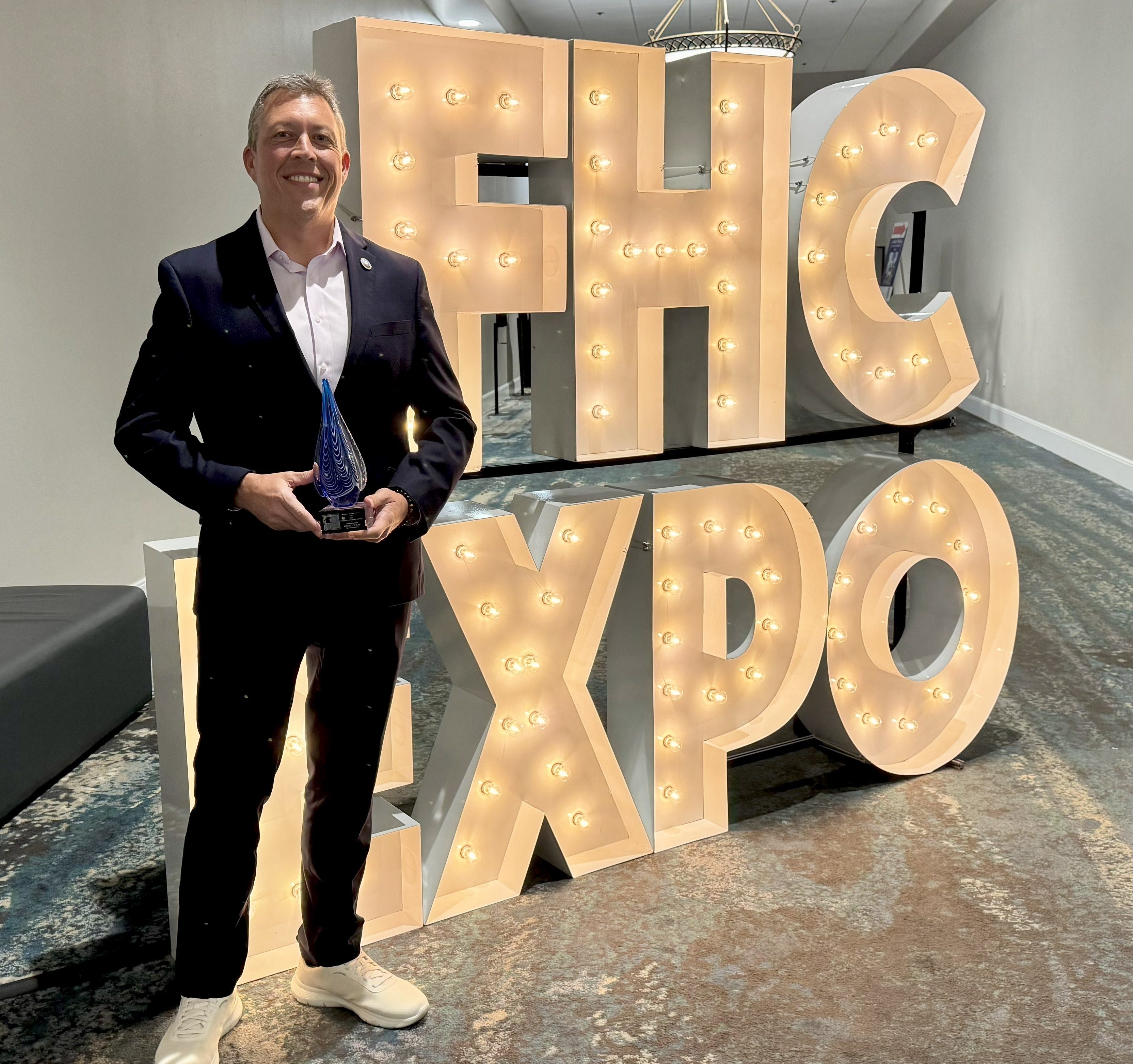
I recently attended the Florida Housing Coalition’s Annual Conference. We had a lot of discussions around Live Local and steps to fix the housing crisis in Florida. (And I was honored to receive the 2025 Housing Champions award for local officials.)
I also just got back from the Florida Association of Counties’ Policy Conference where commissioners from around the state discussed upcoming, and past, policies affecting you and the LOCAL governments YOU elected.
I have taken away a lot of great insights from these events, as well as through discussions with all of you, with industry groups, and through numerous conversations with bipartisan state representatives from across Florida.
My hope is to put out summaries of my opinions on broad topics every few weeks throughout committee weeks. As I know people in Tallahassee read this, I’m hopeful that laying out some thoughts before bills are moved will avoid some of the unfortunate conversations after they are finalized.
The planned schedule is as follows:
Property Taxes - Monday, Oct 6; first day of committee weeks
TBD - Monday, Oct 27
TBD - Monday, Nov 17 start of week four
TBD - Monday, Dec 1 start of week five
Home Rule (or lack thereof) - Monday, Dec 15 at the close of committee weeks
We are going to start with Property Taxes because they have made it clear that the state intends to have a bill teed up before the end of committee weeks to put on the floor during the first week of session. We’re already running out of time.
I will finish with Home Rule as that is a bit more qualitative and broad; a nice wrap-up after we have a better idea of the direction of the 2026 session.
The TBD’s timing is up to you. I will write them and post them based on your priorities. Below is a poll. I will do them in the order of preference from the results.
It was implied by some of our delegates that we needed to be more vocal, earlier, on bills and policies if we have issues with them. I’d like to think we were but, for 2026, I guess we will all have to double down.
For starters, our local Manatee County Legislative Delegation meeting will convene on Monday, October 27 from 8:30am–12pm in the City of Bradenton chambers (101 Old Main Street, Bradenton FL 34205). To be placed on the agenda to speak, email zahid.saddique@flhouse.gov with 1) the name of presenter and 2) a summary of the topic you plan on presenting. Your handout, if you have one, is due no later than 12:00pm on Monday, October 13.
Looking ahead, throughout Session, from January through early March, I will be more proactive on posting about bills, the good and the bad, as they arise. Possibly weekly updates time-permitting.
I will be focusing exclusively on the broad topics above, which isn’t to minimize other important topics, but it’s simply a matter of time and focus. It will then be up to all of us to make our voices heard before any unfortunate bills get approved and sent to the Governor’s office for execution.
Let’s make sure ALL our voices are heard in Tallahassee in 2026!
If you’d like to get an early jump on my thoughts on affordable housing, the University of South Florida’s Office of Public Policy Events is hosting a panel next week. It will be live on the Tampa Campus and also available virtually.
I’m fortunate to be included with Jason Vuic, the great author of The Swamp Peddlers (one of my favorite books on the history of development in Florida) and Jacob Cremer of Barbas Cremer, PLLC. Jacob and I got to briefly meet at the Florida Housing Coalition conference in August during an interesting discussion on the merits of SB180 in Manatee County during his panel. I’m sure you can guess which side I took.
It should be an informative and interesting Debate-A-Bull next week!
Tuesday, September 30 | 6:00 p.m.
Attend in person on the USF Tampa campus or watch virtually
RSVP required (button below)

Thank you. Infrastructure due to development. The impact fees remains the major problem in conjunction with environmental issues. Building multi family units using 2 x 4" as the structure in hurricane ridden Florida should be criminal, not approved by commissioners or whoever approves the plans for these developers. Donna M Steinmetz
Put more teeth into limiting clearcutting. Enforce mitigation rules that require fines and/or planting new trees for destruction of large trees. Limit Sheriff budget increases to the level of other county departments.